Brighten Your Home: A Comprehensive Guide to Choosing the Perfect Rooflight
In urban environments, optimizing natural light can significantly impact the character of a space. Skylights deliver a range of benefits, from improving mood to boosting property value. This overview covers essential elements to consider when picking the right rooflight. It explores designs, materials, and positioning strategies that can revolutionize indoor environments. Recognising these aspects is essential for making informed choices. Yet, the journey doesn't end here; valuable information on fitting and maintenance is yet to come.
Exploring the Advantages of Rooflights
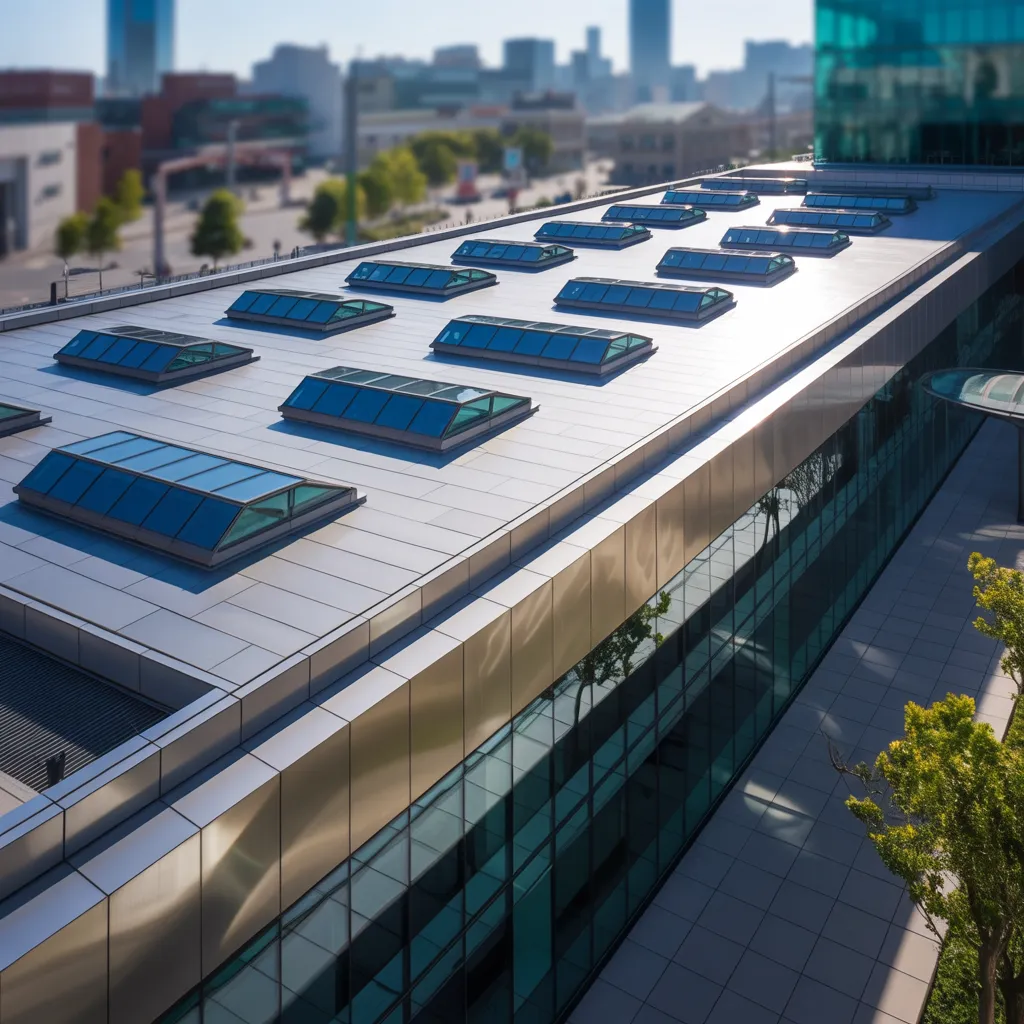
Natural light acts as a transformative force in any interior, and rooflights provide an effective way to make the most of it. By permitting sunlight to stream into rooms, rooflights enhance the ambience, generating a feeling of openness and spaciousness. This abundance of natural light can considerably enhance mood and productivity, making spaces feel more inviting.
In addition, rooflights contribute to energy efficiency by minimizing the use of artificial lighting during daylight hours. This not only lowers electricity costs but also reduces the impact on the environment. Correctly fitted rooflights can improve ventilation, supporting better air circulation and elevating indoor air quality.
In addition, they can act as architectural focal points, providing architectural character and value to a home. Ultimately, the advantages of rooflight installations go beyond mere lighting purposes; they improve the entire living experience and support a greener and more wholesome living space.
Rooflight Styles and Options
When picking out the most suitable rooflight, you should evaluate the range of styles and designs on offer, as each can greatly influence both the look and function. Common choices include fixed rooflight designs, which deliver a sleek, minimalist aesthetic, and openable rooflights that enable fresh air circulation in addition to natural illumination. Skylights, often larger and sloped, can create a dramatic focal point in a room.
Additionally, lantern rooflights present a multifaceted design that enhances architectural interest while increasing sunlight. For period homes, vaulted or curved rooflights can match traditional styles, offering a combination of elegance and practicality.
In addition, current design trends commonly include frameless styles, establishing a fluid transition between interior and exterior areas. Every option offers distinct benefits, making it essential to choose one that aligns with the overall design vision while meeting specific lighting needs.
Picking Long-Lasting and Beautiful Materials for Your Skylight
Choosing the correct materials for a rooflight influences more than just its resilience but also its visual appeal. Common materials include glass, polycarbonate, and acrylic, each offering unique benefits. Superior reinforced or treated glass is chosen for its clarity and strength, permitting natural light to stream inside while offering outstanding insulation. Polycarbonate, by contrast, is impact-resistant and lightweight, making it perfect for areas prone to harsh weather conditions. Its UV-protective properties preserves its clarity over additional information the years, enhancing both durability and aesthetics. Acrylic is yet another alternative, recognized for its cost-effectiveness and adaptability, though it may scratch more easily than glass. When considering materials, consideration should also be given to frame options, such as metal or timber, which can add to the overall look while ensuring structural integrity. At the end of the day, the correct blend of materials will elevate both the performance and aesthetic appeal of the rooflight.
How to Seamlessly Install Your Rooflight
Fitting a rooflight requires careful preparation and implementation to secure a smooth integration into the existing structure. First, it is crucial to evaluate the roof's condition and confirm that it can accommodate the installation. Accurate measurements of the rooflight and the opening are key to preventing any inconsistencies.
Next, cutting the roof structure must be performed with meticulous attention, as per manufacturer specifications. Homeowners are encouraged to use protective materials to stop debris from entering the interior.
Once the gap is ready, the rooflight frame should be placed and fixed, making sure it is straight and sealed. Proper sealing with flashing and appropriate materials will prevent leaks.
To complete the process, interior detailing, like plasterwork and trim, must be carried out to deliver a flawless result. Following these steps guarantees that the overhead glazing unit not only improves natural light but also sustains both structural integrity and overall aesthetic appeal.
Where Should You Position Your Rooflight for Optimal Sunlight?
What is the best way to identify the ideal position for a rooflight to maximize natural light intake? The building's orientation plays a significant role; rooflights that face south generally receive the most sunlight during all daylight hours. By comparison, lights positioned to face east will capture the morning sunlight, while westward-facing rooflights make the most of afternoon rays.
The pitch of the roof also affects sunlight entry; a more pronounced angle could facilitate increased sunlight access, especially during the winter season when the sun is closer to the horizon. Furthermore, taking into account surrounding structures and trees is essential, as they can create shade that limit light access.
Thoughtfully installing rooflights throughout spaces such as kitchens or lounge areas improves the flow of natural light, creating a more welcoming environment. Taking all of these aspects into account will enable one to choose the perfect location for maximum sunlight, creating a radiant and energising atmosphere.
Looking After Your Rooflight: Maintenance Tips
Preserving a rooflight is important for maximizing its lifespan and function. Creating a consistent cleaning regimen reduces dirt buildup over time, while scheduled inspections for damage confirm faults are corrected without delay. By focusing on these care procedures, householders can enjoy the benefits of their rooflight for the foreseeable future.
Routine Cleaning Schedule
Although rooflights enhance natural light and energy efficiency, they require a regular cleaning schedule to maintain their clarity and functionality. Dust, dirt, and environmental contaminants can build up, blocking light transmission and reducing aesthetic appeal. It is recommended to clean rooflights a minimum of twice a year, or more frequently in areas with high pollen or pollution levels. Using a soft cloth and a mild, non-abrasive cleaner guarantees that the surface remains scratch-free. For hard-to-reach areas, a squeegee or extension pole may be necessary. Additionally, checking for signs of dirt buildup after storms or heavy winds can help in timely maintenance. Routine cleaning not only safeguards visibility but also enhances the longevity of the rooflight, securing peak performance.
Check for Damage
Regular cleaning is only one aspect of rooflight maintenance; inspecting for damage is equally important. Property owners should carry out regular inspections to detect potential problems that could affect the rooflight's condition. This includes checking for cracks, leaks, or any signs of wear around the seals. Furthermore, it is essential to inspect the frame and adjacent structures for rust, rot, or other types of degradation. Weather conditions, particularly storms, can exacerbate damage, making timely inspections necessary. When any concerns are identified, tackling them without delay can prevent costly repairs and sustain the rooflight's functionality. Routine inspections not only extend the longevity of the rooflight but also ensure optimal natural light and airflow throughout the area.
Integrating Rooflights Into Your Home Design
Adding rooflights to home architecture can significantly improve both appearance and performance. By allowing natural light to fill spaces, rooflights can generate a feeling of spaciousness, making rooms feel larger and more inviting. Thoughtfully located rooflights can also boost energy savings by decreasing the need for artificial lighting during daylight hours.
When installing rooflights, consider the design style of the home. Modern or contemporary homes may benefit from simple, modern designs, while period properties might call for more elaborate installations. Placement is essential; aligning rooflights with key living areas or corridors enhances their effectiveness.
Additionally, pairing rooflights with shading solutions, such as blinds or shutters, gives homeowners the ability to regulate light and ensure privacy. This careful combination not only improves the aesthetic appeal but also supports a comfortable and energy-efficient living space. Above all, rooflights function as an impressive design feature that perfectly balances form and function.
Questions Our Clients Often Ask
What Energy Efficiency Benefits Do Rooflights Offer?
Roof windows boost energy performance by harnessing natural daylight, minimizing the need for artificial lighting, and enhancing thermal insulation. This leads to decreased energy consumption, decreased utility expenses, and a lesser carbon footprint, contributing to an eco-friendly living space.
In What Ways Do Rooflights Impact Indoor Temperature Regulation?
Skylights improve indoor thermal management by enabling natural light to penetrate, minimising the need for artificial heating and cooling. This can lead to a more stable indoor climate, enhancing comfort while possibly reducing energy usage.
Are Rooflights Able to Help Lower Artificial Lighting Requirements?
Rooflights are able to considerably reduce the need for artificial lighting by maximising the entry of natural light. This enhances indoor brightness during daylight hours, allowing spaces to remain well-lit without relying heavily on electric lighting, ultimately promoting energy efficiency.
What Are the Building Regulations for Rooflight Installations?
Building codes for roof window installations commonly encompass load-bearing requirements, thermal performance, and safety requirements. Adherence ensures adequate daylight, air circulation, and energy conservation while adhering to regional planning requirements and building codes for homes and commercial premises.
Do Rooflights Present Any Safety Concerns?
Safety concerns associated with rooflights involve structural instability risks, glass damage, and faulty installation practices. These concerns can cause accidents, moisture penetration, and reduced energy efficiency, requiring thorough consideration and expert installation to reduce hazards.